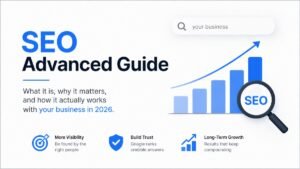
What is SEO and why does it actually matter for your business?
SEO explained in plain English no jargon, no upsell, no 6-month contract pitch. Just the honest explanation most people have never been given.
Somewhere between "you need SEO" and "here's a 6-month contract for thousands a month," most small business owners give up trying to understand it. That's understandable. The industry has a bad habit of making simple things sound complicated — usually because complicated things are easier to charge for.
This guide is the plain-English explanation most people never get. What SEO actually is, how Google decides who ranks, what it involves in practice, and whether you genuinely need it right now. No jargon. No pitch at the end.
"SEO is one of the few marketing channels that keeps working after you stop paying for it. That alone is worth understanding."
So what actually is SEO?
SEO stands for Search Engine Optimisation. That name sounds more technical than it is. Strip it back and it means one thing:
SEO is the process of making your website easier for Google to find, understand, and recommend to people searching for what you offer.
Think of it this way. Google's job is to find the best answer to any search and show it to the person searching. SEO is everything you do to help Google see that your website has that answer.
A useful analogy: imagine your business is a physical shop. Paid advertising is like renting a billboard on a busy road — people see you while the billboard is up, and the moment you stop paying, it comes down. SEO is more like choosing a good location for your shop, having a clear sign, and making sure it's easy to walk into. It's not something you pay for each month. It's something you build and once it's built, it keeps working.
How does Google decide who ranks?
Google uses hundreds of signals to decide which websites appear at the top of search results. Most of them come down to three things. Understand these three, and you understand the logic behind everything else in SEO.
Everything in SEO — keywords, content, backlinks, page speed — is essentially an attempt to improve one or more of those three things. When you understand the goal, the tactics make more sense.
One thing worth knowing: Google updates its ranking algorithm constantly. The businesses that do well long-term aren't the ones chasing every update. They're the ones who focus on genuinely useful content, a fast and trustworthy site, and building real credibility in their field. Those things don't go out of fashion.
Why SEO matters more than most marketing for small businesses
There are a lot of ways to market a business online. Social media, paid ads, email, partnerships, influencers. SEO isn't the right choice for every business at every stage — but for most small businesses, it has one significant advantage over everything else: it compounds.
A blog post you write and optimise today can bring in enquiries two years from now — without you paying for it each month. A paid ad you run today stops the moment the budget runs out. Both have their place. But for a small business with limited marketing budget, SEO tends to produce better long-term returns.
The other advantage is intent. People who find your business through a Google search are already looking for what you offer. They typed it in. That's a very different audience to someone who scrolls past an ad they didn't ask for.
What SEO actually involves — in plain English
SEO tends to get broken down into four practical areas. None of them are as complicated as the terminology makes them sound.
Technical SEO — site speed, mobile-friendliness, crawlability — sits underneath all of this. Before any of the above works, Google needs to be able to access and understand your site properly. If you haven't checked those basics recently, our free website audit checklist is a good place to start.
Does your business actually need SEO right now?
Honestly — not always. And any SEO agency that tells you otherwise before understanding your situation isn't giving you advice, they're giving you a pitch.
Here's a more honest breakdown based on where different businesses actually are:
If you're unsure which category you fall into, start with the fundamentals. Run your site through our free 25-point website audit checklist — it will tell you whether your foundation is solid enough to make SEO worthwhile right now.
How long does SEO actually take to work?
This is the question that causes the most confusion — partly because the honest answer isn't what most people want to hear, and partly because some people in the industry make promises they can't keep.
The businesses that see the best long-term results from SEO are the ones who treat it as a channel, not a campaign. They publish content consistently, fix technical issues as they find them, and build links gradually. It's not exciting. But it works and unlike most marketing spend, it keeps working.
Two ways to take the next step
Start with the free checklist to see what your site is missin or book a free audit and we'll go through it properly and tell you exactly what to fix first.
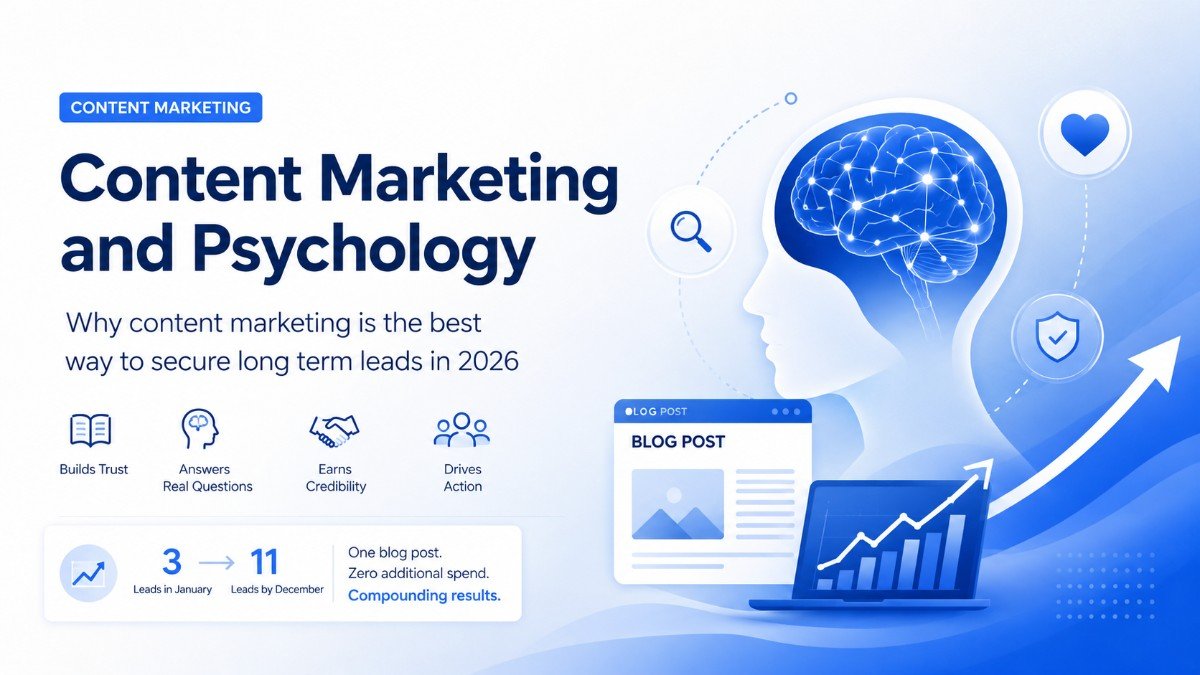
Why content marketing is the best way to secure long term leads in 2026
Stop paying for fleeting ad clicks. Explore how content marketing builds a compounding lead engine that secures warm, ready to buy clients in 2026…
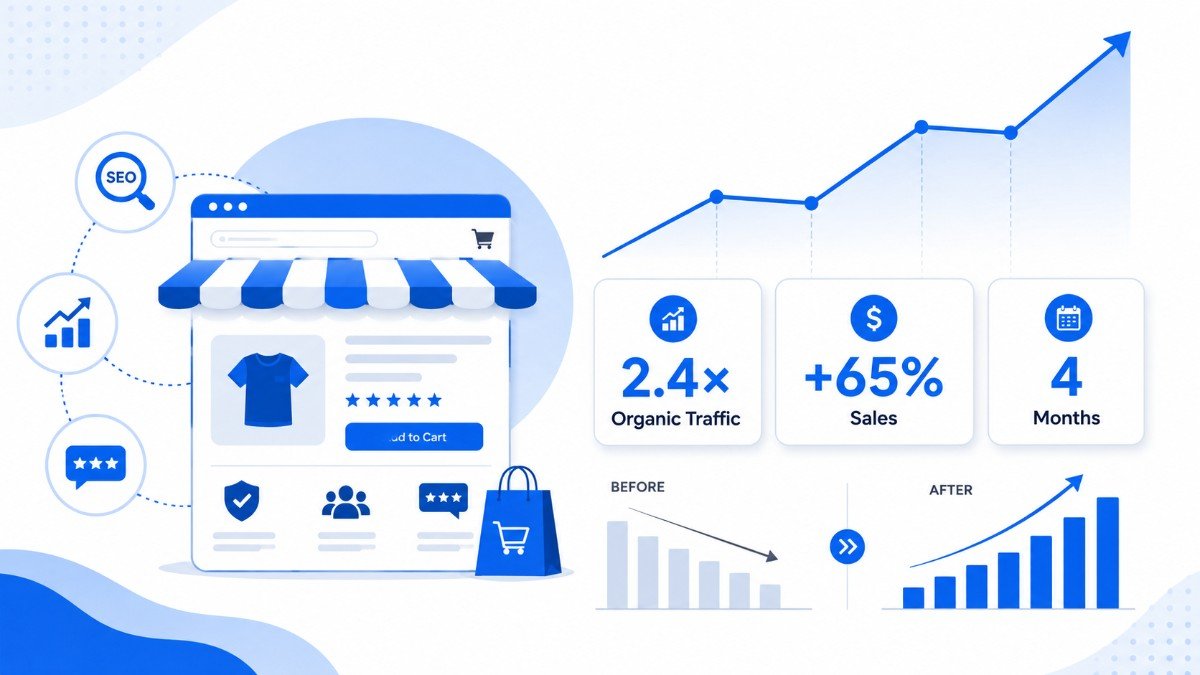
Full Rebranding + 65% Sales Increase in 4 Months
A e-commerce store who loss people brand trust then rebranding it to gain people trust and increase sales 65% in 4 months…
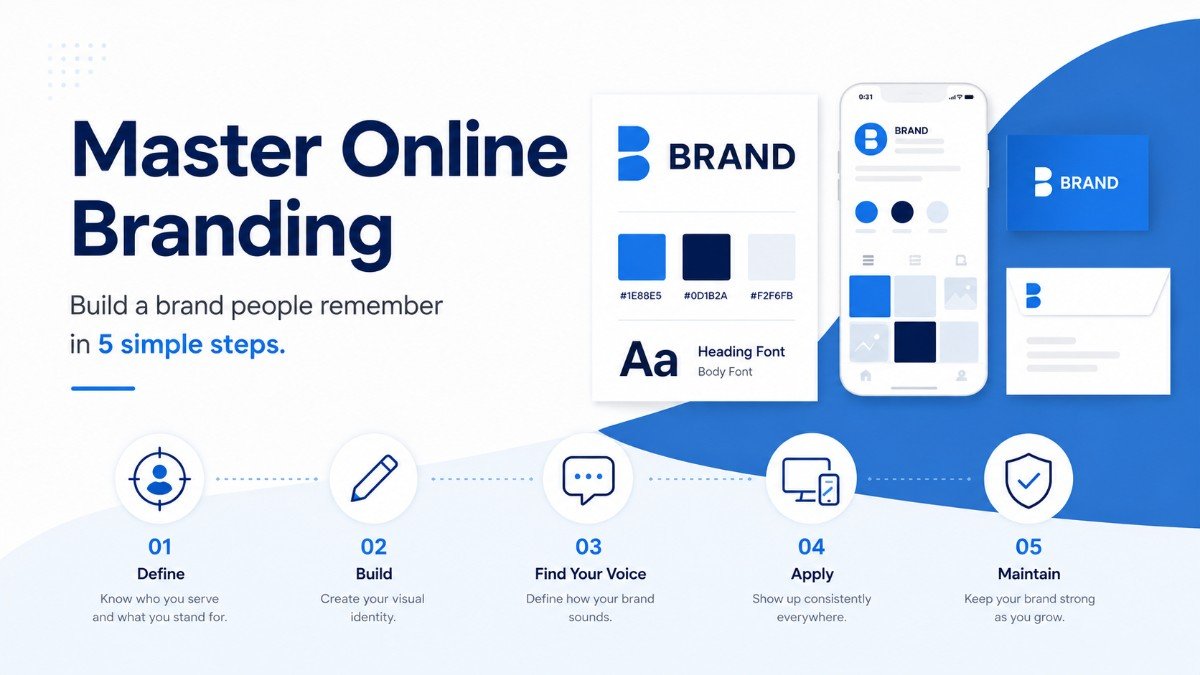
Smart Business Owner’s tricks to Online Branding
Master class for Online Branding in 5 simple steps. Explore how to define your business identity, pick the right colors, find your voice, and stay consistent….