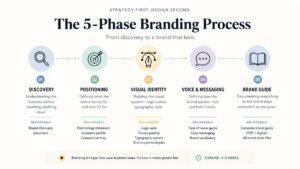
How I approach branding for new businesses and why most get it wrong from the start
Most founders start with a logo. They should start with strategy. Here's exact 5-phase process I use from the first discovery conversation to the final brand guide.
Most new businesses start their brand the same way: they pick a colour they like, ask someone to make a logo, and call it done. Then six months later they're redesigning everything from scratch because nothing feels quite right and they can't explain why.
The logo looks fine. The colours aren't objectionable. But the brand doesn't feel like anything. It doesn't communicate a clear point of view. It doesn't speak to any particular person. It's just... there.
That's what happens when branding starts with aesthetics instead of strategy. The visual decisions are made in a vacuum, disconnected from who the business is trying to reach and what it's trying to say. Getting those decisions right after the fact is expensive and time-consuming. Getting them right from the start isn't complicated — it just requires a different starting point.
"A brand isn't what your business looks like. It's how your business feels to the people who encounter it. That distinction changes everything about where you start."
What branding actually is and what it isn't
Before anything else, it's worth being clear about what branding means, because the word gets used loosely in ways that cause real problems for new businesses.
Branding is the total impression your business makes on the people who encounter it — built from the sum of every visual, verbal, and experiential signal you put out into the world.
Your logo is one part of your brand. So is your colour palette and your typography. But so is the way you write your emails, the tone you use on social media, the experience of working with you, the way you answer the phone, and the feeling someone has after reading your website for the first time. All of it, combined, is your brand.
This matters because most new businesses treat branding as a visual exercise — something to be "done" once and filed away. The businesses that build strong brands treat it as a system — something designed with intention, documented, and applied consistently across every touchpoint.
The practical difference is significant. A logo without a strategy is a decorative element. A brand built on clear positioning, a defined audience, and a documented visual and verbal identity is a business asset that compounds over time — one that makes every piece of marketing more effective and every new customer interaction feel familiar and trustworthy.
The 4 mistakes new businesses make with branding
These aren't theoretical mistakes. They're the patterns I see consistently when new businesses come to us having already tried to build their brand and ended up with something that doesn't feel right but they can't fully explain why.
Each of these mistakes is avoidable. The thing that prevents all of them is starting in the right place with strategy and discovery, before anything visual exists.
Our 5-phase branding process for new businesses
This is the process I run with every new business branding project — whether the client is a first-time founder in Dhaka launching a service business, or an established business owner who has been operating for years but never properly built their brand. The phases are the same. The depth of each one varies based on the complexity of the business and the market.
Understanding the business before touching anything visual
The first phase involves no design at all. It's a series of conversations and questions designed to understand the business from the inside — who it serves, what it offers that others don't, and what success looks like from the client's perspective.
Most designers skip this phase or compress it into a brief 15-minute call. I don't. The questions I ask here shape every visual and verbal decision that follows, so getting genuine, considered answers matters more than moving quickly.
- →Who is the ideal customer — not just demographically, but what do they care about, what are they afraid of, and what does making a good decision here mean for them?
- →What does this business do that its competitors don't or can't?
- →What feeling should someone have after encountering the brand for the first time?
- →What words should never be used to describe this brand? (The negatives are often more clarifying than the positives.)
- →In 12 months, what does success look like — and how will the brand have contributed to it?
The output of this phase is a brand discovery document — a written summary of everything I've learned that becomes the brief for everything that follows.
Defining what the brand stands for and who it's for
Positioning answers the question every potential customer is quietly asking: "Why this business, rather than the alternatives?" It defines the specific space the brand occupies in its market, the audience it's built for, and the promise it makes to that audience.
This is I get specific. "I help businesses grow" is not a positioning statement. "I build conversion-focused websites for service businesses in Dhaka who are ready to stop relying on referrals" is. The specificity that feels risky — the fear of narrowing the audience too much — is the same specificity that makes a brand legible and trustworthy to the right people.
I also map the competitive landscape here: who else is operating in this space, how are they positioning themselves, and where is the gap that this brand can credibly own? A brand positioned identically to its competitors isn't really a brand — it's a product waiting to compete on price.
Building the visual system — logo, colour, typography, style
Only at this point do I begin designing. The visual identity work is grounded in everything that came before: the audience profile shapes the style, the positioning shapes the colour strategy, the brand personality shapes the typography choices.
I don't present a single logo concept and ask for approval. I develop multiple directions — each grounded in a different interpretation of the positioning and walk through the thinking behind each one. Clients who understand why a visual decision was made are clients who make better decisions about which direction to pursue.
The deliverable here is a full visual identity system — not just a logo, but a logo suite (primary, secondary, icon variants), a defined colour palette with primary and secondary colours and their respective codes, a typography system with specified fonts for headings, body text, and accent use, and a collection of brand style examples showing how the identity applies across real contexts.
Everything is designed to work as a system, not as individual assets. A logo that looks strong in isolation but breaks down when placed on a dark background, or becomes illegible at small sizes, or clashes with the typography — that's not a finished identity, it's a starting point that will create problems later.
Defining how the brand speaks — not just how it looks
A brand that looks consistent but sounds different depending on who's writing that day is still an inconsistent brand. Voice and messaging is where I make sure that the way the business communicates is as considered and intentional as the way it looks.
Tone of voice is defined as a set of adjectives that describe how the brand communicates and, equally importantly, how it doesn't. "Professional but not stiff. Confident but not arrogant. Direct but not blunt." These distinctions matter in practice because they give writers a real reference point when making decisions about language.
Core messaging covers the statements the brand needs to be able to make consistently: the headline (what do you do and who for), the value proposition (why does it matter), the differentiator (why you rather than them), and the elevator pitch (the whole thing in two sentences). These aren't taglines — they're the building blocks that show up across website copy, social profiles, pitch decks, and sales conversations.
Documenting everything so the brand stays consistent as you grow
The final deliverable is the brand guide — a document that records every element of the brand, how to use it correctly, and what to avoid. This is what prevents the slow, invisible degradation that happens to every brand that was built without one.
Without a brand guide, every contractor, designer, or team member who touches the brand makes their own interpretation of it. Over months and years, those interpretations accumulate into the kind of inconsistency that makes a brand feel vague and untrustworthy without anyone being able to point to a specific decision that caused it.
The brand guide I produce covers: logo usage rules and clear/space requirements, colour palette with HEX, RGB, and CMYK codes, typography specifications including size ratios and hierarchy, tone of voice guidelines with examples, do's and don'ts with visual examples, and application examples across key touchpoints (website, social, email, print). It's formatted as a PDF and a linked digital document — practical, not decorative.
Once your brand guide is built, the next step is making sure your website reflects it. Our free website audit checklist will show you exactly where your site is and isn't aligned with your brand — and what to fix first.
How long does branding take for a new business?
For a focused branding engagement covering all five phases, the typical timeline is three to six weeks. Where it falls within that range depends on a few factors: the complexity of the business and market, the number of revision rounds required, and how quickly the client is able to give feedback and make decisions.
Clients who come prepared — who have thought about their audience, have a clear sense of their competitive landscape, and can make decisions without lengthy committee sign-offs — tend to move through the process faster and with better results. The process is designed to generate clarity, but it works best when the client brings some of their own to the first call.
One thing worth noting: branding doesn't have a finish line. The deliverables from this process give you everything you need to apply your brand consistently — but how it's applied, refined, and extended as the business grows is an ongoing process. The brand guide is the foundation. What you build on it is up to you.
What does branding cost for a new business?
This is the question most guides avoid answering directly. I'll give you a real range — because understanding what you're paying for at each level helps you make a better decision about what your business actually needs right now.
Branding costs vary based on what's included. A logo alone is a very different thing from a full brand system. Here's how I think about the tiers:
- Primary logo + icon variant
- Defined colour palette
- Font recommendation
- File pack (PNG, SVG, PDF)
Right for: very early stage, pre-revenue, testing the market
- All 5 phases above
- Full logo suite
- Complete visual identity
- Tone of voice + messaging
- Brand guide document
Right for: businesses ready to invest in a brand that scales
- Everything in full brand system
- New website designed to brand
- Brand applied across all pages
- SEO foundation built in
- Ongoing support available
Right for: new businesses launching everything at once
If you're based in Dhaka or anywhere in Bangladesh and want a specific quote for your business, the most useful next step is a conversation — not a price list. What your business needs depends on your market, your timeline, and your growth plans. A 30-minute call will tell us more than any form.
Let's talk about your brand before you spend anything on design
The earlier you get branding right, the less expensive it is to fix later. A free 30-minute consultation will tell you exactly what your business needs at this stage and what to prioritise first.
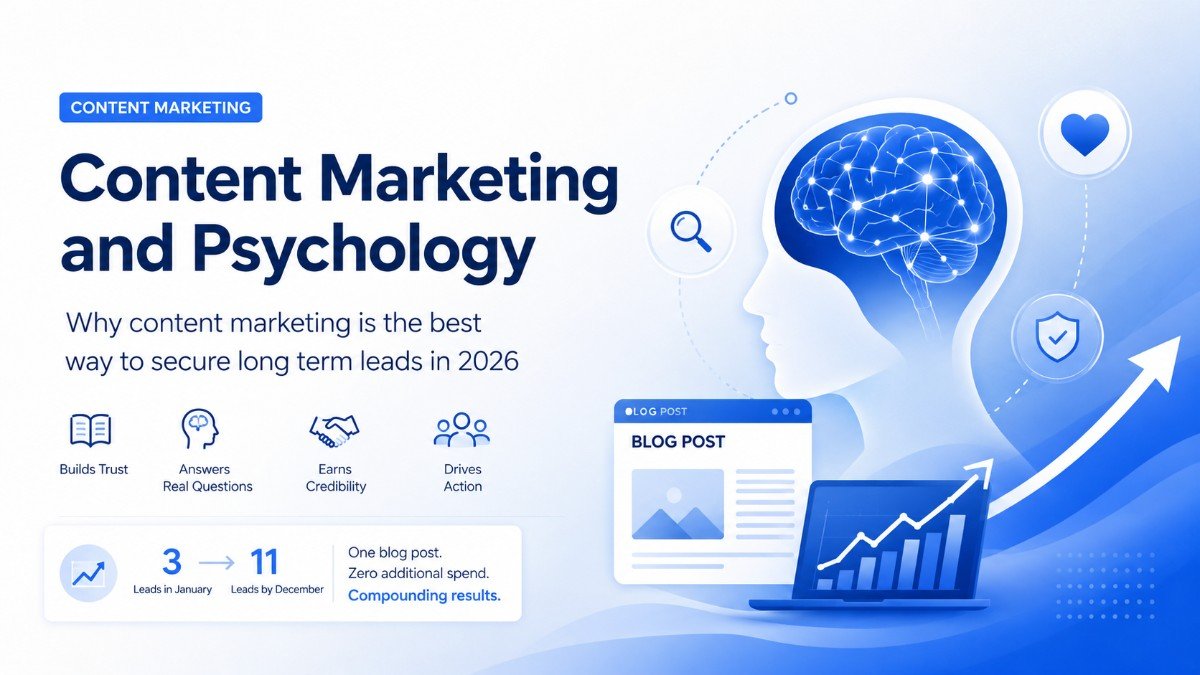
Why content marketing is the best way to secure long term leads in 2026
Stop paying for fleeting ad clicks. Explore how content marketing builds a compounding lead engine that secures warm, ready to buy clients in 2026…
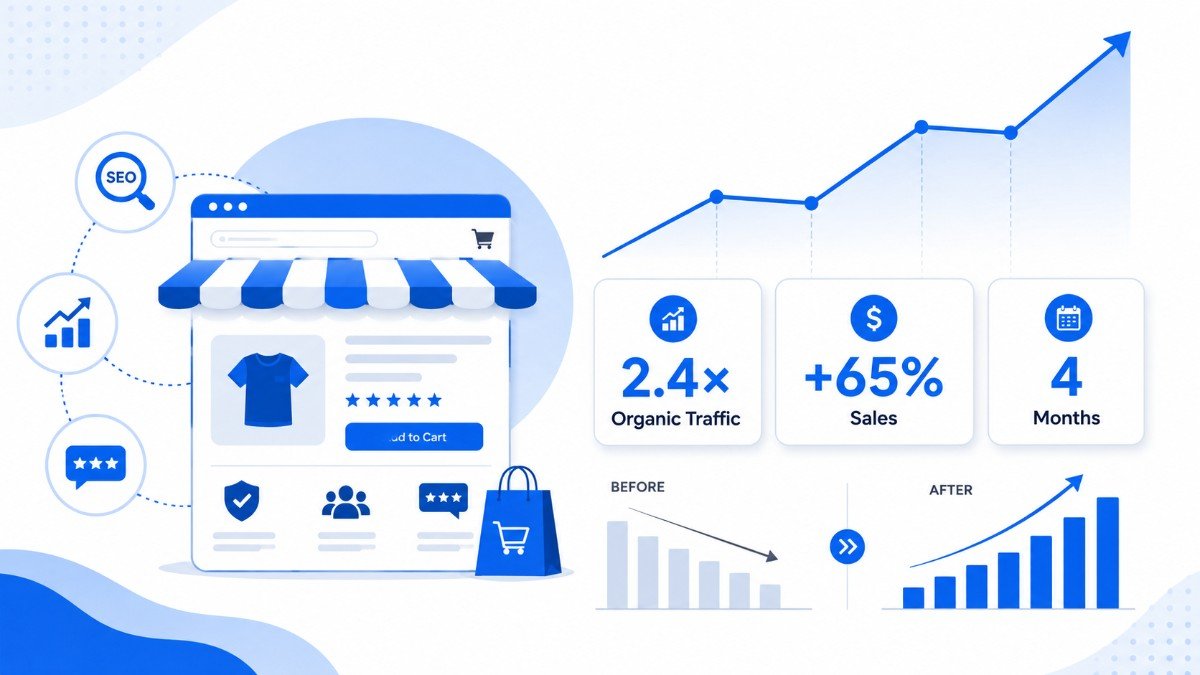
Full Rebranding + 65% Sales Increase in 4 Months
A e-commerce store who loss people brand trust then rebranding it to gain people trust and increase sales 65% in 4 months…
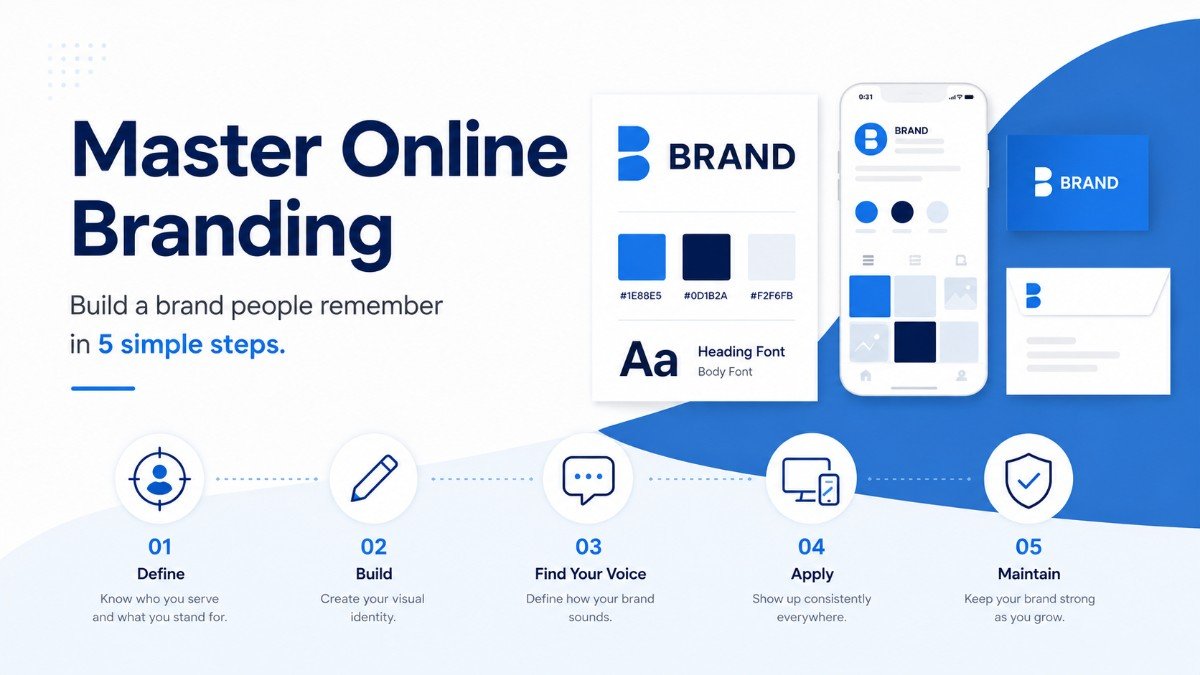
Smart Business Owner’s tricks to Online Branding
Master class for Online Branding in 5 simple steps. Explore how to define your business identity, pick the right colors, find your voice, and stay consistent….